AND WHAT TO WATCH OUT FOR
Many people run to feel good: to clear their heads, stay fit, or achieve a personal goal. But the effects of running extend far beyond a single workout. Regular exercise can also influence how healthy and capable we are in later years. But what does it take to ensure that your runs not only benefit you today but also your health tomorrow?
Recent long-term data show just how closely running and life expectancy are linked: People who run regularly have a lower mortality rate than those who run less or not at all.¹ The body benefits in several ways: Running training improves the body’s ability to take in oxygen and use it during exercise. This makes the heart, lungs, and circulatory system more efficient.² Muscles and tendons are also challenged with every step and can adapt to recurring, appropriately increased loads.³ It’s especially important to keep a few things in mind here.
In fact, running can help maintain physical fitness over the long term. The key is for individual runs to become a habit that lasts for years. However, running injuries can repeatedly interrupt this continuity – and thus also hinder the positive effects of running.
Far too many runners have to take a break from training because of pain. In the Run Better Research Study conducted by the German Sport University Cologne, laufen.de, and True Motion, approximately 53% of the nearly 1,700 respondents reported that they had to skip at least one running session within a year due to pain or physical discomfort. Anyone who wants to make running a permanent part of their life should therefore also keep an eye on the risk of injury.
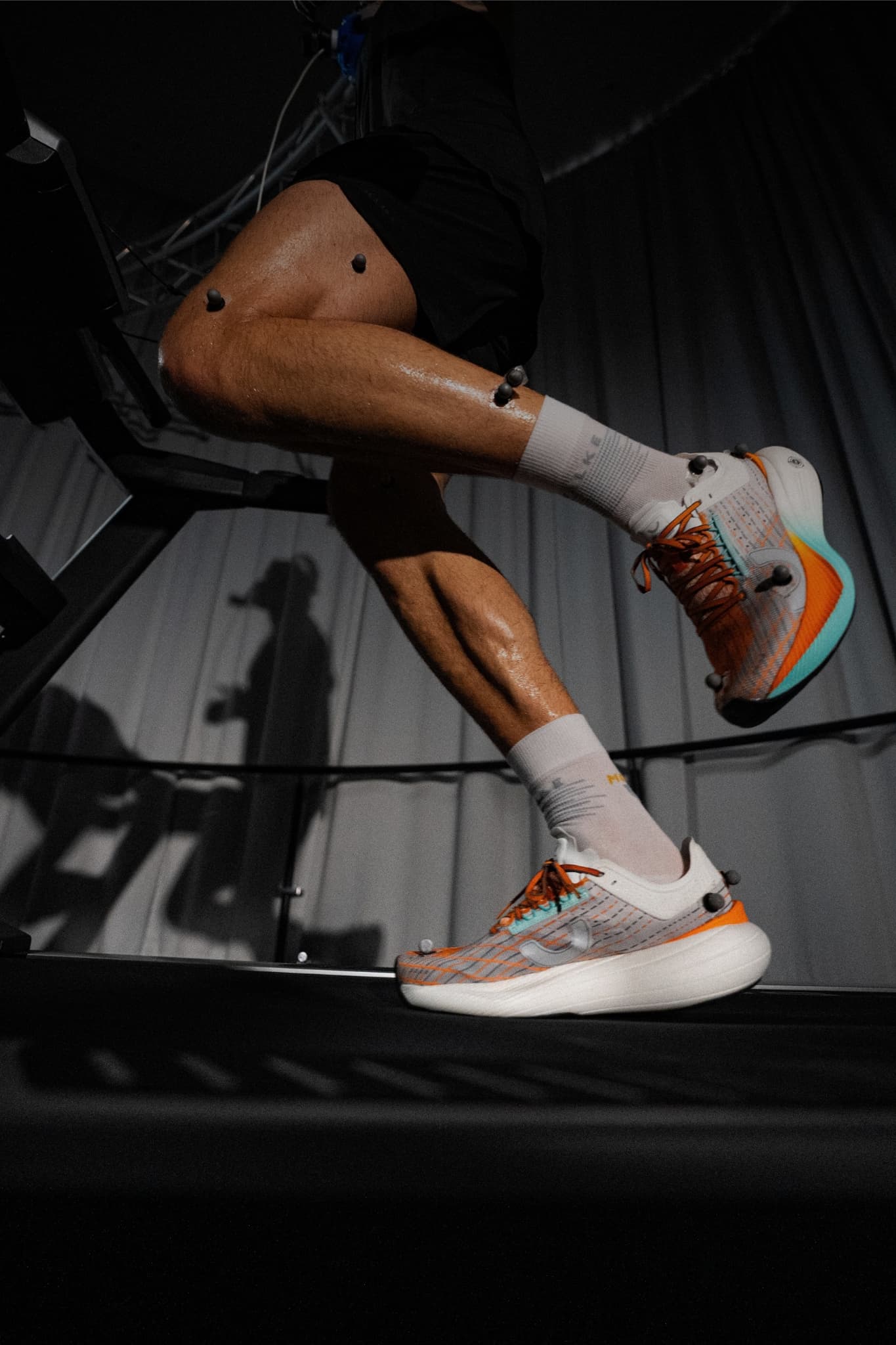
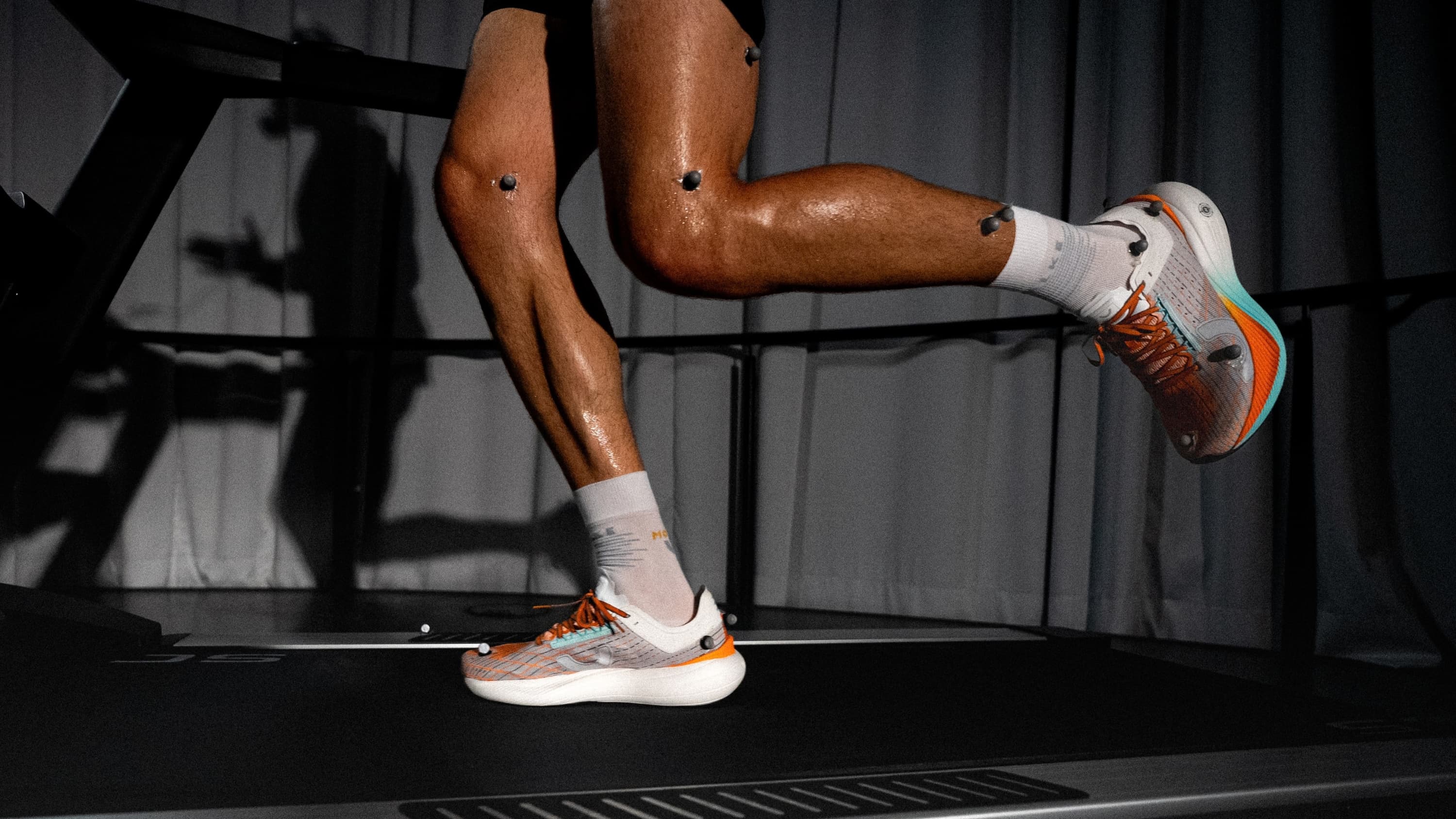
Above all, this means following a training program that suits your body. Running distance and intensity should be increased gradually. Recovery and runner-specific strength training help prepare the body for the demands of running. In addition to training, another question plays a role: How do the forces acting on the body with each stride affect it – and what influence do running shoes have on this? Prof. Dr. Gert-Peter Brüggemann has been investigating this question for decades. The biomechanist and co-founder of True Motion was the long-time director of the Institute for Biomechanics and Orthopedics at the German Sport University Cologne.

– Prof. Dr. Gert-Peter Brüggemann
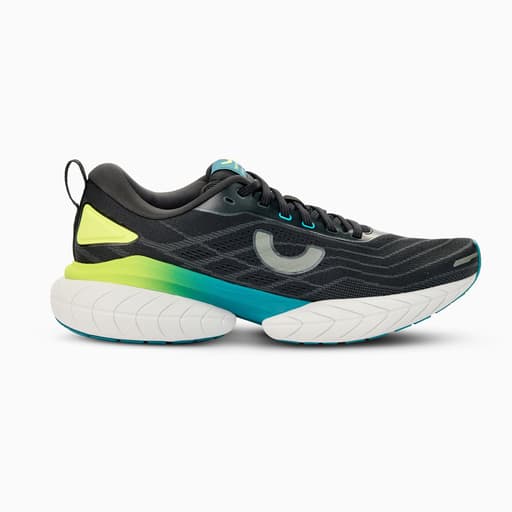
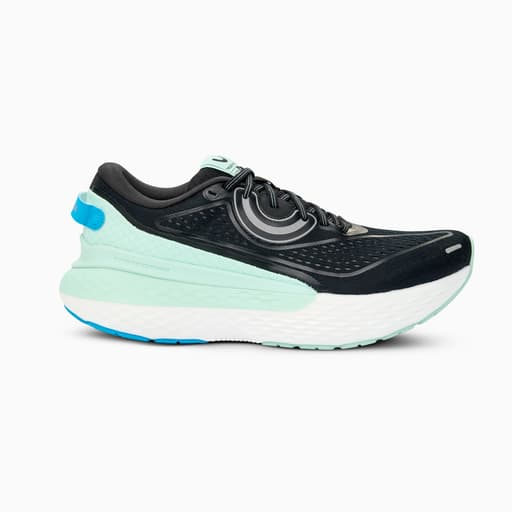
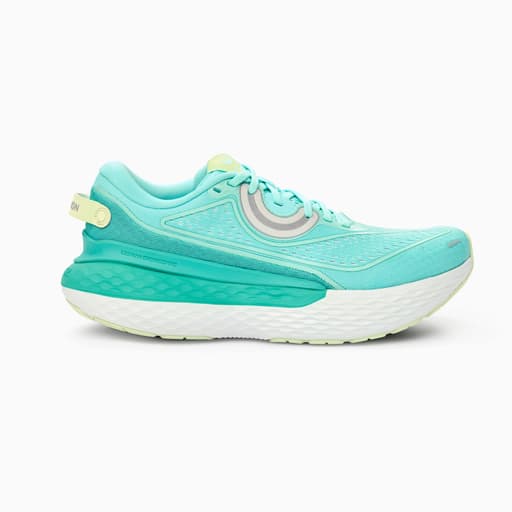
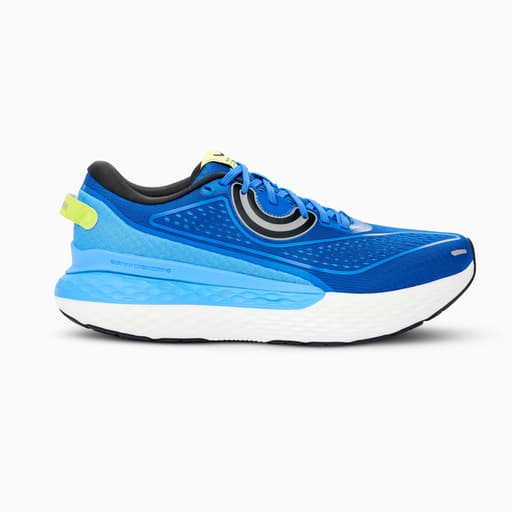
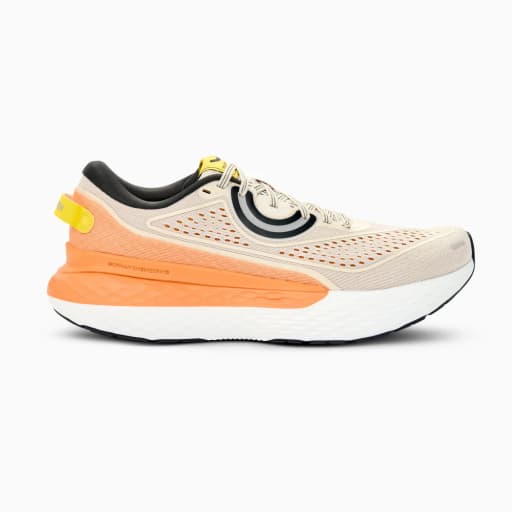
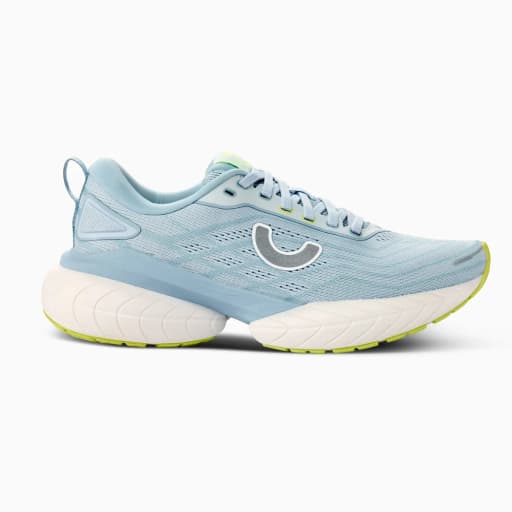
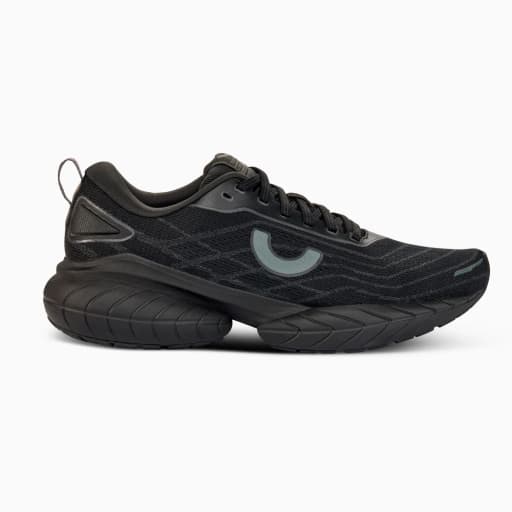
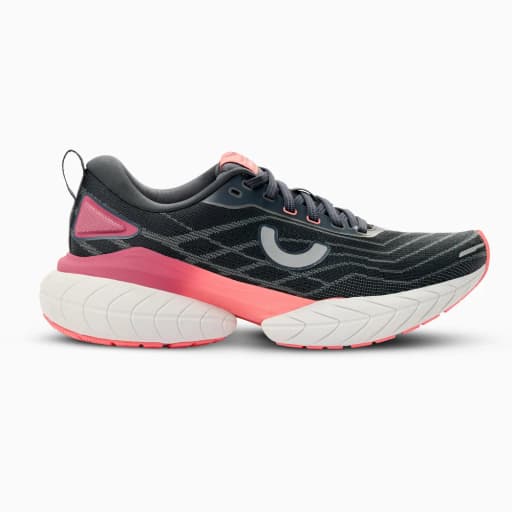
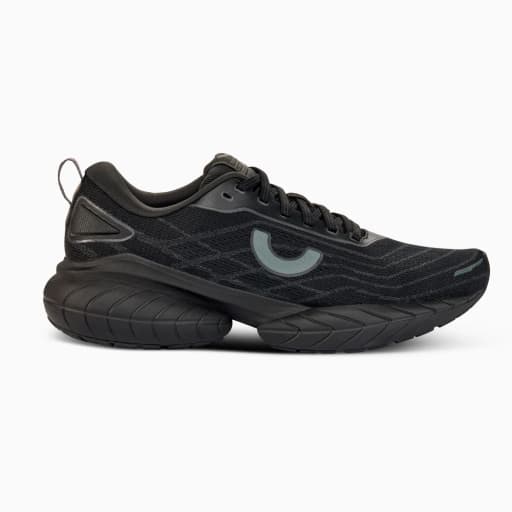
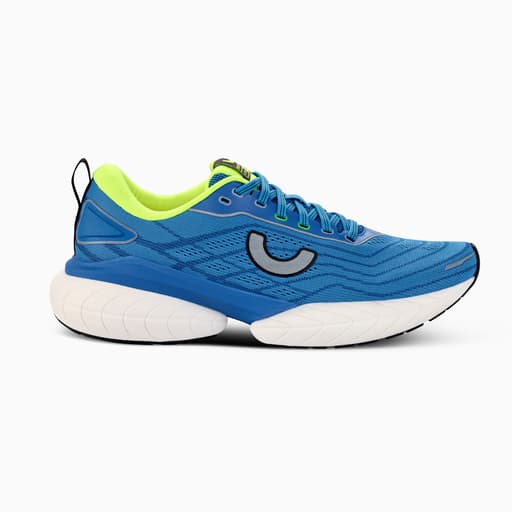
His research laid the groundwork for the development of U-TECH™. At the heart of this patented technology is a U-shaped midsole in the heel area. When the foot strikes the ground, the heel sinks into the U-shape – much like a ball rolling toward the center of a bowl. This centers the musculoskeletal system, ensuring that the forces generated while running are optimally transmitted through the body. This provides a crucial foundation for reducing the risk of running injuries.
But what does that mean in terms of numbers? In the Run Better Research Study, 414 recreational runners extensively tested the U-TECH™ technology over 25 weeks, and the results were compared with other categories of running shoes. Runners who primarily wore True Motion running shoes with U-TECH™ technology had a lower statistical probability of sustaining a running injury compared to the group wearing other running shoes. Overall, True Motion running shoes can reduce runner-specific injuries by up to 50%.
Running can contribute to a long, healthy life. To ensure we can enjoy it for as long as possible, our bodies need a training routine that suits them, adequate rest, and the strength to cope with recurring physical stress. Just as important are running shoes that support our movement and minimize the strain on our bodies.
★★★★★ 4.6
(872 reviews)
★★★★★
“I've tried so many things - this running shoe is the first one that has made me pain-free.”
Matthias K.
★★★★★
“My knees feel really good and I can run again without pain for the first time in 2 years.”
Johann S.
1 Han, H., Hu, J., Lee, D. H., Zhang, Y., Giovannucci, E., Stampfer, M. J., Hu, F. B., Hu, Y., & Sun, Q. (2026). Physical activity types, variety, and mortality: Results from two prospective cohort studies. BMJ Medicine, 5(1), e001513.
2 Mazzolari, R., Rodrigues, P., & Hecksteden, A. (2025). Tailoring exercise intensity: Acute and chronic effects of constant-speed and heart rate-clamped exercise in healthy, inactive adults. Journal of Science and Medicine in Sport, 28(10), 849–857.
3 Bontemps, B., Gruet, M., Louis, J., Owens, D.J., Miríc, S., Vercruyssen, F. & Erskine, R. M. (2024). Patellar tendon adaptations to downhill running training and their relationships with changes in mechanical stress and loading history. Journal of Strength and Conditioning Research, 38(1), 21-29.
GET 10 % OFF YOUR FIRST ORDER!
Get your personal running updates with exclusive discounts, product news, training plans and tips for healthy running - straight to your inbox. 10% discount on your next order.
I agree to the privacy policy of True Motion.
SERVICE
ABOUT US
Europe
© 2026 True Motion Running GmbH

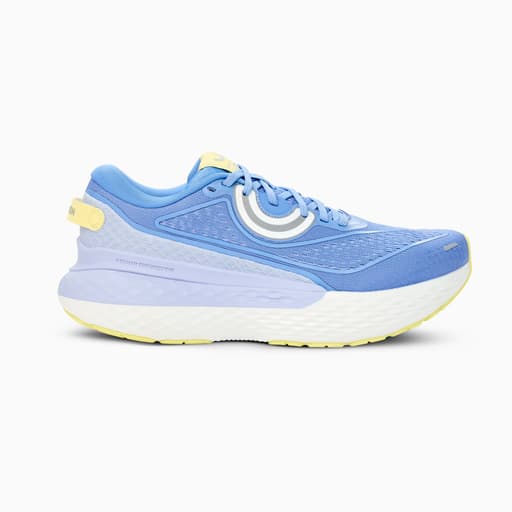
U-TECH Aion 4
190.00 EUR


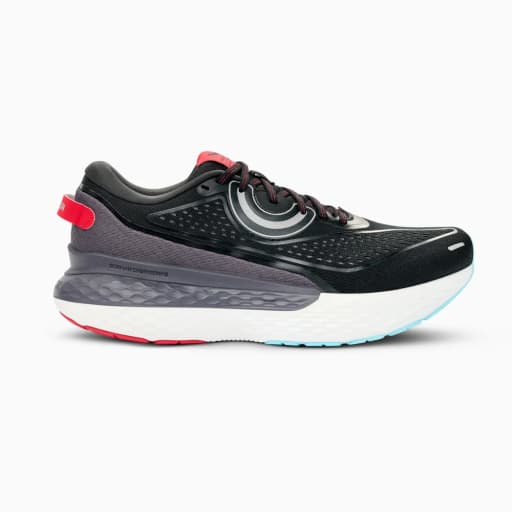
U-TECH Aion 4
190.00 EUR


U-TECH Nevos 4
160.00 EUR

U-TECH Nevos 4
160.00 EUR


U-TECH Aion 4
190.00 EUR


+1

U-TECH Aion 4
190.00 EUR


U-TECH Nevos 4
160.00 EUR

U-TECH Nevos 4
160.00 EUR


+1


+1


+3


+3


+1


+3


+3
0
0